


 Home
Home
- New
- Hot
- Following
-
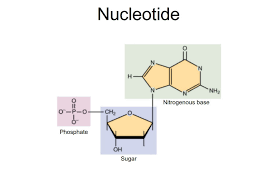 PirozhkiFox:Sure! Let’s make it easy to understand. The monomer, or the smallest building block, of nucleic acids is called a nucleotide. Think of it like how bricks build a wall — nucleotides build DNA and RNA. Each nucleotide has three small parts: a sugar molecule, a phosphate group, and something called a nitrogen base (like A, T, G, C, or U). In DNA, these nucleotides connect in long chains to form the famous double helix structure. In RNA, they form a single chain. What’s cool is that the sequence of these bases acts like a code, telling cells how to make proteins — kind of like how letters form words that carry meaning. You actually see the results of nucleotides every day — in your hair color, your height, and even your health. All those traits come from how DNA’s nucleotide sequence stores and passes genetic information. So when we ask “what is nucleic acids monomer called,” the short answer is “nucleotide,” but behind that word is the code of life itself 💡
 -
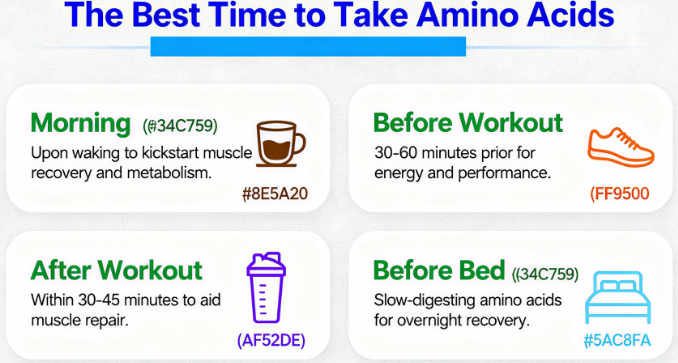 Grayson:Amino acids are the small pieces that make up protein, and they help your body repair muscles, recover after workouts, and stay energized. You can find them in foods like eggs, chicken, and beans, but many people also take them as supplements, especially if they exercise a lot. Most people like to take amino acids before or after a workout. Before training, they can give your body a little energy boost and protect your muscles. After exercising, they help your body repair and grow stronger. Some people even take them in the morning to feel more alert or at night to help their muscles recover while sleeping. There’s no single perfect time that works for everyone — it depends on your goals and daily habits. But taking them regularly and staying hydrated usually helps you feel the difference faster.
 - ChaosPulse:When people ask whether gluconic acid is bad for you, it helps to begin with what this substance actually is. Gluconic acid is a mild organic acid that originates from the oxidation of glucose, one of the simplest sugars in biology. Because it is closely tied to natural carbohydrate metabolism, its structure is gentle compared with stronger mineral acids, and this explains why it can exist in foods without producing corrosive or harmful effects. From a physiological standpoint, gluconic acid and its salts, known as gluconates, are easily processed by the human body. They are often used to stabilize minerals like calcium, iron, or zinc, improving how the body absorbs them. This function places gluconic acid at the intersection of nutrition and chemistry, linking the biochemical pathways of energy metabolism with practical dietary applications. Its mild acidity also helps maintain balance in the gut and supports an environment that is not disruptive to normal digestive function. In the realm of industry, gluconic acid plays a role far beyond food. It is employed in cleaning products, where its ability to bind to metal ions makes it useful for removing deposits without resorting to harsh, corrosive chemicals. In agriculture, it can act as a chelating agent, making micronutrients more available to plants. This same chelating property explains why it has been applied in medicine, helping to deliver minerals in supplement form in a way that is more readily absorbed and less irritating to the stomach. Considering all these contexts, gluconic acid demonstrates how a single compound can bridge chemistry, nutrition, and technology. Its presence in everyday foods like fruit and honey, its contribution to human health through mineral absorption, and its role in industrial and agricultural systems highlight a wide spectrum of significance. Asking whether it is bad for you invites a deeper understanding of how substances are judged not only by their name but by their interaction with living systems and practical use.
-
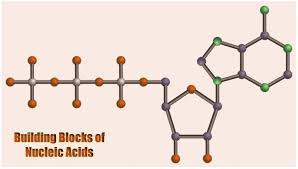 MedovukhaBee:When people talk about the building block of nucleic acids, they’re referring to something called nucleotides. Think of them like small puzzle pieces that snap together to form long chains, and those chains are what we call DNA and RNA. Each nucleotide is made up of three parts: a sugar, a phosphate group, and a base. The bases are like letters in an alphabet—A, T, C, and G in DNA, and in RNA the T is replaced by U. You don’t need to imagine complicated chemistry here. It’s more like beads on a string. The sugar and phosphate make the string, while the bases are the colorful beads carrying the information. That’s how your body stores instructions for everything it does, from eye color to how your cells grow. Every time you grow, heal, or even just make new cells, your body is using these nucleotide building blocks to copy and pass along information. So in simple terms, nucleotides are the tiny pieces that, when joined, create the code of life.
 -
 ArcticFoxov:L-lysine sulfate is basically a nutrient made from lysine, which is one of the essential amino acids our bodies can’t make on their own. The “sulfate” part just means it’s combined with a sulfate group, which makes it easier to handle, store, and mix into food or feed. You’ll often see it in animal nutrition, especially in poultry and pig farming, because it helps balance protein in their diet and supports healthy growth. From a human perspective, it’s not something you usually see on your dinner plate, but it’s important in the background of food production. Farmers and feed companies use L-lysine sulfate to make sure animals get enough of this vital amino acid, which in turn leads to healthier livestock and better food supply. So when people mention it, they’re really talking about a practical way to deliver an important nutrient, not a complicated chemical that you need to worry about.
 -
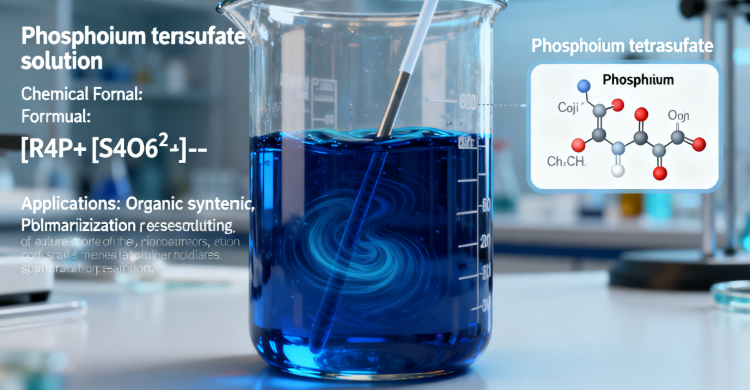 TimelessHaze:When you hear “phosphonium tetrasulfate solution,” it might sound like a scary scientific formula, but it’s basically a liquid mixture that contains a special kind of salt. Think of it like flavored water, except instead of sugar or lemon, this solution has a chemical that makes it useful in industry. It’s not something you’d see on your kitchen shelf, but it can show up behind the scenes in places like cleaning processes, water treatment, or helping reactions happen more smoothly in factories. One way to imagine it is to think of it as a helper liquid—on its own, it might not seem very exciting, but when used in the right spot, it supports bigger systems to run better. Just like detergent boosts washing power, this solution can give industries a boost in what they’re making or maintaining.
 -
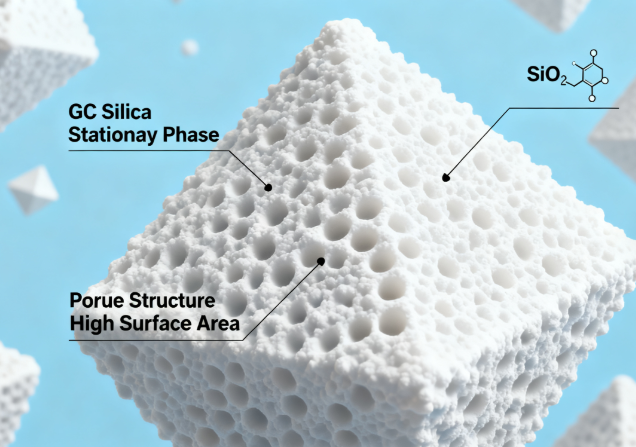 BliniHunter:GC silica is basically a type of very fine powder made from silica, which is the same stuff you find in sand and glass. Instead of being used for building or making windows, this version is super clean and specially prepared so it can help separate mixtures in scientific testing. Think of it like a filter that helps scientists sort out different ingredients in a liquid, almost like straining pasta but on a much smaller and invisible level. You won’t see it in daily life, but the results affect you more than you realize. For example, GC silica is used when companies check if food has unwanted chemicals, or when medicines need to be tested to make sure they’re pure and safe. It doesn’t look exciting—usually just a white powder—but it plays a behind-the-scenes role in keeping products trustworthy. So while you might never touch GC silica yourself, you benefit from its quiet job in labs making sure the things you use and eat are safe.
 -
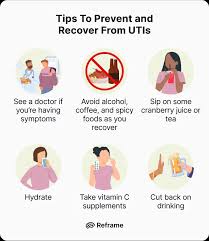 PelmeniMaster:You know, alcohol itself doesn’t directly cause a urinary tract infection. A UTI happens when bacteria, usually from the gut, get into the bladder or urinary tract and start multiplying. But drinking alcohol can make things trickier. For example, alcohol makes your body lose water faster, which means you might not pee as much. Less peeing gives bacteria more time to stick around and grow. Also, if you already have a UTI, alcohol can make you feel worse. It irritates the bladder lining, so symptoms like burning or urgency can feel stronger. Plus, if you’re on antibiotics, alcohol might interfere with your recovery by making your body more tired and less able to heal. So while alcohol isn’t the direct cause of a UTI, it can definitely make conditions in your body friendlier for bacteria and rougher for you when you’re sick. That’s why doctors often suggest avoiding alcohol until you’re better.
 -
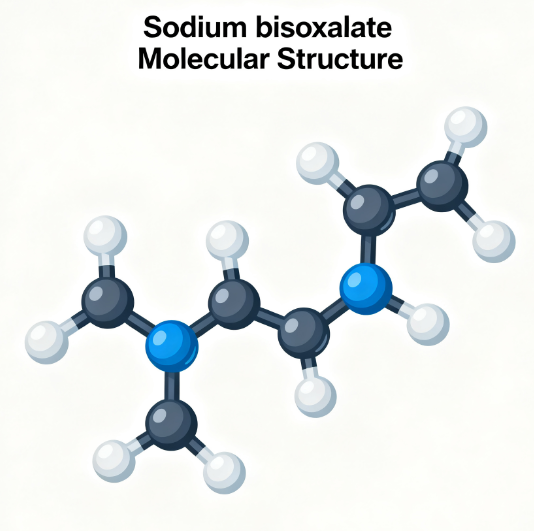 SkySmasher:odium bisoxalate is basically a type of chemical salt made from sodium and oxalic acid. Instead of thinking of it as something scary, you can picture it like one of many powdered substances that dissolve in water. It usually comes in a solid form, like crystals or powder, and it has a sour or acidic effect because of the oxalate part. You’re not going to find it sitting on a supermarket shelf like table salt or baking soda, but it might show up in certain cleaning products or in special laboratory uses. It can act like a cleaner or a substance that changes acidity, which makes it useful in more technical settings.
 -
 IvanovBlade:Calcium carbide is made in a pretty intense way. Factories usually start with two simple raw materials: limestone and coal. Limestone is a common rock, and coal is something we often think of as fuel. These two are heated together at super high temperatures, way hotter than any oven at home—think thousands of degrees. When this happens, they react and turn into calcium carbide, which looks like grayish, hard lumps. What makes it interesting is what happens when this stuff touches water. Instead of just sitting there, it reacts right away and releases a gas called acetylene. People use that gas for things like welding metal or even making certain chemicals. In the past, small lamps used this reaction to give off bright light, especially in caves or mining areas.

- 1
- 2
- 3
- 4
- 5
- 6
- 1356
 沪ICP备2021018848号-5
